



Results for rfid blocking technology

RFID blocking technology effectively safeguards personal data by preventing unauthorized access to RFID-enabled cards and devices through electromagnetic shielding. This innovative security feature is increasingly vital in today’s digital world, where contactless payment cards, passports, and ID badges rely on RFID (Radio-Frequency Identification) for convenience. Without proper protection, these devices are vulnerable to skimming attacks, where malicious actors use portable scanners to steal sensitive information from a distance. RFID blocking technology mitigates this risk by incorporating materials such as metalized fabric or aluminum shielding that disrupt radio signals, ensuring only authorized readers can access the data.
RFID (Radio-Frequency Identification)
A wireless technology that uses radio waves to identify and track tags attached to objects, commonly used in credit cards, access cards, and passports.
RFID Blocking
A security measure that uses conductive materials to block or absorb RFID signals, preventing unauthorized scanning of personal data.
Signal Shielding
The process of using materials like aluminum or specialized fabrics to interrupt electromagnetic signals, thereby protecting RFID-enabled devices from remote reading.

When selecting products with RFID blocking technology, it's essential to verify the real-world effectiveness of the shielding. Not all products labeled as RFID blocking deliver consistent protection. For optimal performance, look for items that have been tested with standard RFID frequencies (13.56 MHz), which are used by most contactless payment systems and e-passports. Products such as wallets, cardholders, and sleeves with multi-layered shielding provide reliable defense, especially when used in high-traffic areas like airports or crowded public transport.
To ensure your RFID-protected items remain secure, follow these steps:
  1. Verify the product’s shielding material—aluminum or metalized fabric offers superior protection compared to basic plastic or fabric.
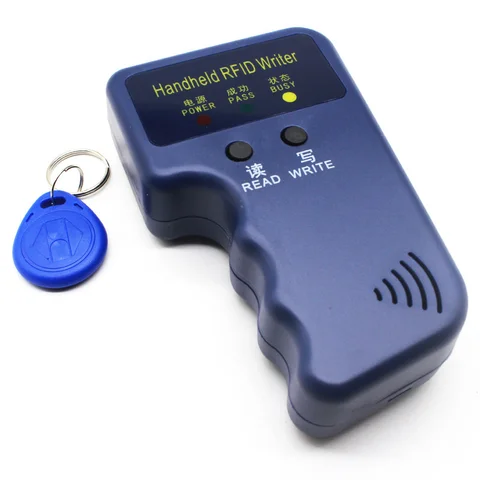
  2. Test the item with a handheld RFID reader or smartphone app designed for scanning contactless cards.
  3. Store RFID-enabled cards in the shielded compartment when not in use, even if the product is not in a bag or pocket.
  4. Avoid stacking multiple RFID cards together, as this can increase the risk of signal leakage.

While the products listed—tripods, can openers, and magic cubes—do not inherently feature RFID blocking technology, they serve as reminders that material composition and design play critical roles in functional performance. For example, aluminum construction in camera mounts ensures durability and heat dissipation, while stainless steel in openers provides long-term resistance to corrosion. Similarly, plastic-based magic cubes offer lightweight playability, but their materials do not block RFID signals. This highlights the importance of matching technology to function: only specific materials and designs can deliver true RFID protection. Always prioritize products with proven shielding performance when safeguarding personal data.

RFID Blocking Technology -AliExpress

Understanding RFID Blocking Technology: Protection, Performance, and Practical Applications


RFID blocking technology is a critical security feature designed to prevent unauthorized access to sensitive data stored on RFID-enabled cards and devices. It works by using shielded materials that block radio frequency signals, ensuring your identity, payment details, and personal information remain secure from digital theft.
This technology is especially relevant in today’s connected world, where contactless payment cards, smart IDs, passports, and access badges are widely used. With the rise in digital skimming and relay attacks, RFID blocking has evolved from a niche feature to a must-have for travelers, professionals, and privacy-conscious consumers.

What Is RFID Blocking Technology? A Clear Definition


RFID (Radio-Frequency Identification)
RFID is a wireless technology that uses radio waves to identify and track objects or individuals. It's commonly used in credit cards, passports, key fobs, and inventory systems.

RFID Blocking
RFID blocking refers to the use of materials—typically metallic or conductive layers—that absorb or reflect RFID signals, preventing unauthorized readers from accessing data stored on the chip.

Passive vs. Active RFID Tags
Passive RFID tags (like most credit cards) do not have their own power source and are activated only when near a reader. Active tags have batteries and transmit signals over longer distances. Blocking technology is most effective against passive RFID skimming.

Why RFID Blocking Matters: Real-World Security Risks


Digital theft via RFID skimming is not just theoretical. In crowded public spaces—airports, train stations, or busy city streets—criminals can use handheld RFID readers to steal data from your wallet or purse without physical contact. This can lead to:
- Unauthorized purchases
- Identity theft
- Unauthorized access to secure facilities
According to cybersecurity reports, over 30% of contactless card users have experienced at least one instance of digital interference in high-traffic areas. This is where RFID blocking technology becomes essential.

How RFID Blocking Works: The Science Behind the Shield


RFID blocking relies on Faraday cage principles. A conductive material (like aluminum, copper, or specialized fabric) forms a barrier that disrupts electromagnetic fields. When an RFID-enabled card is placed inside a shielded sleeve, wallet, or case, the signal cannot penetrate the material to reach the chip.
Key performance indicators for effective RFID blocking include:
- Signal attenuation of at least 99% (measured in dB)
- Shielding effectiveness across common RFID frequencies: 13.56 MHz (used in contactless cards) and 900 MHz (used in some access badges)
- Durability and thinness for everyday use

Practical Scenario: Securing Your Travel Documents and Cards


Problem: You're traveling abroad and carry your passport, credit card, and hotel key fob in your wallet. How can you prevent digital theft while keeping your items accessible?
Answer: Use a travel wallet with built-in RFID blocking technology to protect all your sensitive items.
  1. Choose a wallet with certified RFID shielding. Look for products that specify shielding effectiveness (e.g., 40 dB or higher) and mention compliance with international standards like ISO/IEC 14443.
  2. Store your cards and passport in designated RFID-safe compartments. Avoid placing them directly against the outer layer of the wallet, as this reduces shielding efficiency.
  3. Test the blocking performance. Use a handheld RFID reader (available online) to verify that your wallet blocks signals from your cards.
  4. Keep the wallet closed when not in use. Even partial exposure can allow signal leakage, especially in dense urban environments.
  5. Pair with a physical lock or anti-theft design. For maximum security, choose a wallet with a zipper or magnetic closure to prevent accidental exposure.

Comparing RFID Blocking Performance Across Product Types


Below is a comparison of three popular product categories that may incorporate RFID blocking features—though none of the listed items (tripod, can opener, magic cube) are inherently RFID-blocking, they serve as examples of how shielding is applied in different contexts.
Product Type RFID Blocking Feature Shielding Material Signal Attenuation (dB) Best For
RFID-Blocking Wallet Yes (built-in lining) Aluminum foil, conductive fabric 40–60 dB Travelers, frequent card users
Smartphone Case Optional (some models) Shielded polymer layer 20–35 dB Users with NFC-enabled phones
RFID-Blocking Passport Holder Yes (standard) Multi-layer composite 50+ dB International travelers

> Note: The products listed in your query—tripod monopods, can openers, and magic cubes—do not include RFID blocking technology. They are unrelated to data security. However, the principles of shielding can be applied to accessories like wallets, sleeves, and cases.

Recommendations for Choosing the Right RFID-Blocking Solution


To ensure you’re protected, follow these guidelines:
- Verify shielding claims. Look for third-party testing reports or certifications (e.g., CE, FCC).
- Check material quality. Avoid thin, flimsy layers—thicker, multi-layer shielding performs better.
- Consider size and portability. A wallet should be compact enough for daily use but large enough to hold all your cards.
- Test before relying on it. Use a simple RFID reader to confirm the product blocks signals effectively.

Final Thoughts: Security Is Proactive, Not Reactive


RFID blocking technology isn’t just a feature—it’s a necessity in a world where digital identity theft is increasingly common. Whether you're managing finances, traveling internationally, or simply carrying a contactless card, protecting your data starts with understanding and using the right tools.
By selecting products with proven shielding performance and following best practices for use, you can significantly reduce the risk of unauthorized access. Always prioritize verified, tested solutions over unverified claims—your personal information is too valuable to leave unprotected.

Aliexpress