






Results for conservar el aguacate
Properly storing avocados (conservar el aguacate) requires understanding ripening stages, temperature control, and storage methods to prevent spoilage and maintain freshness—especially when using durable, food-safe containers or storage solutions.
The Spanish phrase conservar el aguacate reflects a common household need: extending the shelf life of avocados after purchase or ripening. This search intent centers on practical, science-backed methods to delay over-ripening, reduce waste, and preserve texture and flavor. While avocados are perishable, proper handling can prolong their usability by several days to weeks. Key factors include temperature, exposure to air, and the use of appropriate storage materials.
For those seeking long-term storage, a durable, food-grade water tank or container can serve as a secondary storage solution, especially in off-grid or RV living scenarios. The 10 Gallons RV Water Storage Tank made from high-density LLDPE (Linear Low-Density Polyethylene) offers a robust, chemical-resistant, and leak-proof option. Though not designed specifically for food, its non-toxic, food-safe material and sealed construction make it suitable for storing prepared avocado mash when properly cleaned and used with a food-grade liner or seal.
While unrelated to avocado storage, the 2Pcs E3 DV6 Copper Nozzle and 19mm Carburetor serve as examples of precision-engineered parts built for durability and consistent performance—qualities that mirror the reliability needed in any storage solution. The brass construction of the nozzle and zinc alloy of the carburetor ensure long-term resistance to wear and corrosion, just as high-quality storage containers must resist degradation from moisture and temperature shifts.
Ultimately, conservar el aguacate is not just about delaying spoilage—it’s about preserving quality, reducing waste, and making the most of a nutritious, versatile ingredient. By combining smart storage practices with durable, well-constructed containers, users can enjoy fresh avocados for longer, whether in a kitchen or on the road.
The Spanish phrase conservar el aguacate reflects a common household need: extending the shelf life of avocados after purchase or ripening. This search intent centers on practical, science-backed methods to delay over-ripening, reduce waste, and preserve texture and flavor. While avocados are perishable, proper handling can prolong their usability by several days to weeks. Key factors include temperature, exposure to air, and the use of appropriate storage materials.
- Ripening Stage
- The stage at which an avocado is stored significantly impacts its longevity. Unripe avocados should be kept at room temperature (around 20–22°C) to accelerate ripening. Once ripe, they should be refrigerated to slow further softening.
- Headspace and Air Exposure
- Exposure to oxygen accelerates enzymatic browning. Minimizing air contact—especially in cut avocados—is critical. Using airtight containers or sealing with plastic wrap reduces oxidation.
For those seeking long-term storage, a durable, food-grade water tank or container can serve as a secondary storage solution, especially in off-grid or RV living scenarios. The 10 Gallons RV Water Storage Tank made from high-density LLDPE (Linear Low-Density Polyethylene) offers a robust, chemical-resistant, and leak-proof option. Though not designed specifically for food, its non-toxic, food-safe material and sealed construction make it suitable for storing prepared avocado mash when properly cleaned and used with a food-grade liner or seal.
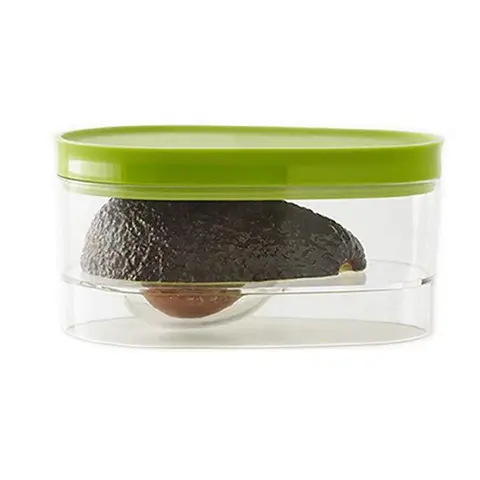
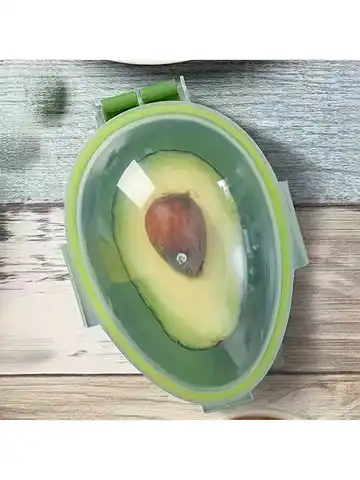
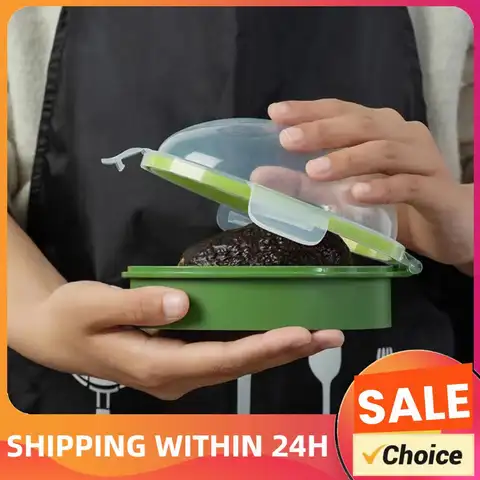
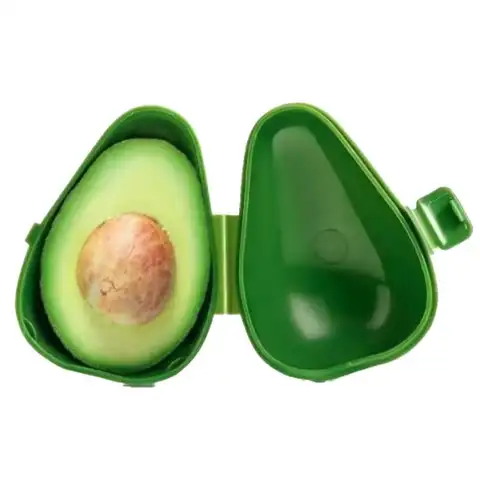
- Choose a clean, dry, and food-safe container—preferably one with a tight-sealing lid.
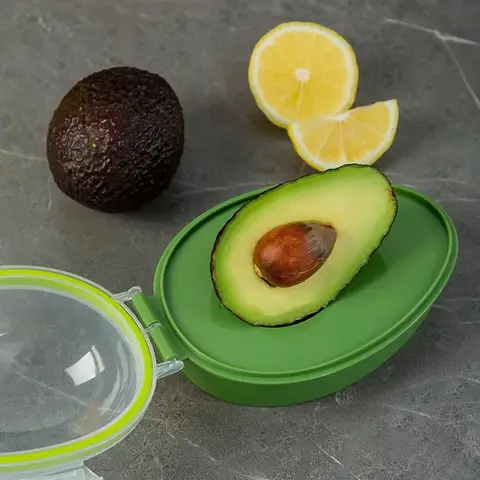
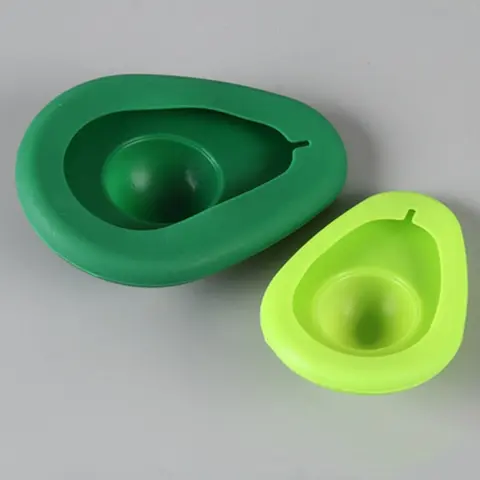
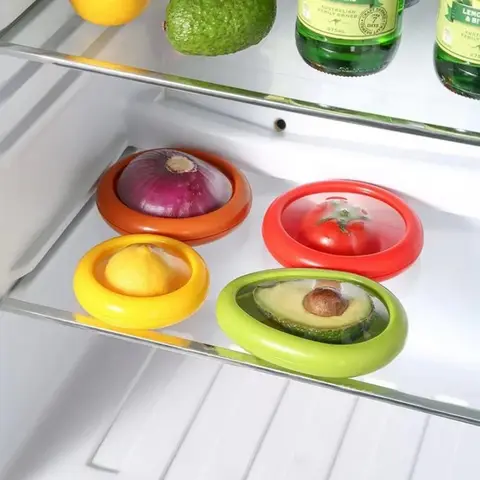
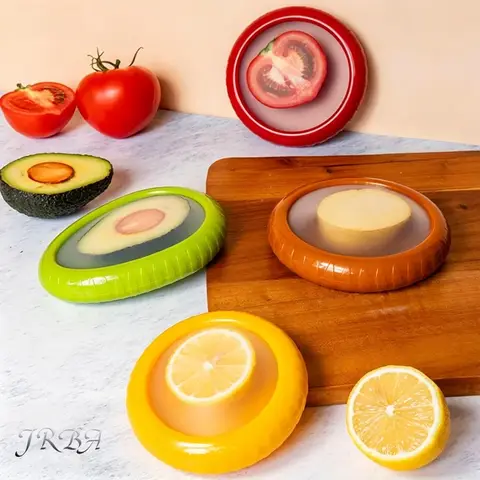
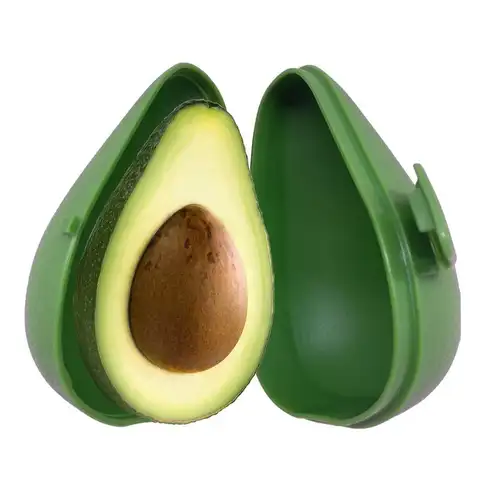
- For cut avocados, leave the pit in place and cover the surface with plastic wrap or a silicone lid to minimize air exposure.
- Store in the refrigerator at 4–6°C to extend freshness by 3–5 days.
- If freezing, mash the avocado with a splash of lemon juice (to inhibit browning), transfer to an airtight container, and freeze for up to 6 months.
While unrelated to avocado storage, the 2Pcs E3 DV6 Copper Nozzle and 19mm Carburetor serve as examples of precision-engineered parts built for durability and consistent performance—qualities that mirror the reliability needed in any storage solution. The brass construction of the nozzle and zinc alloy of the carburetor ensure long-term resistance to wear and corrosion, just as high-quality storage containers must resist degradation from moisture and temperature shifts.
Ultimately, conservar el aguacate is not just about delaying spoilage—it’s about preserving quality, reducing waste, and making the most of a nutritious, versatile ingredient. By combining smart storage practices with durable, well-constructed containers, users can enjoy fresh avocados for longer, whether in a kitchen or on the road.