








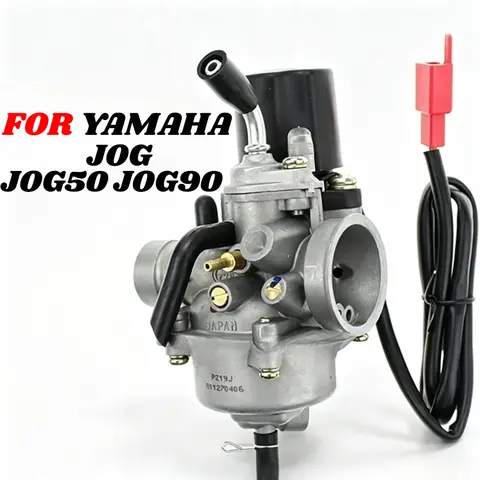


Results for carburetor electric choke
Upgrade Your Engine Performance with High-Quality Carburetor Electric Choke Solutions for Classic and Vintage Vehicles
The carburetor electric choke is a critical component in older gasoline-powered engines, especially in vehicles manufactured between 1970 and 1990. Designed to automatically regulate the air-fuel mixture during cold starts, an electric choke ensures smoother engine ignition and improved fuel efficiency. Whether you're restoring a classic Buick, Cadillac, Chevrolet, or a Honda CB900F, selecting the right electric choke carburetor is essential for reliable performance and long-term durability.
Understanding the search intent behind carburetor electric choke reveals a strong demand for precise, compatible, and high-performance replacement parts for vintage and classic car engines. Buyers are typically looking for OEM-quality replacements that match specific engine models, fuel delivery systems, and choke types—especially for vehicles with 2-barrel or 4-barrel carburetors. The right fit ensures proper idle control, cold-start reliability, and reduced emissions.
When selecting a carburetor electric choke, consider these key factors:
Avoid common pitfalls: installing a mismatched choke type (e.g., electric on a vacuum-only system), ignoring idle jet size (120 recommended for most 4-bbls), or using low-quality alloys that warp under heat. Always test the choke operation before full engine installation.
For optimal results, pair your carburetor electric choke with a clean fuel system and properly adjusted idle speed. With the right part—like the SherryBerg 2-barrel or LOREADA 4-bbl Quadrajet—your classic engine will start reliably, run smoothly, and deliver consistent power for years.
The carburetor electric choke is a critical component in older gasoline-powered engines, especially in vehicles manufactured between 1970 and 1990. Designed to automatically regulate the air-fuel mixture during cold starts, an electric choke ensures smoother engine ignition and improved fuel efficiency. Whether you're restoring a classic Buick, Cadillac, Chevrolet, or a Honda CB900F, selecting the right electric choke carburetor is essential for reliable performance and long-term durability.
Understanding the search intent behind carburetor electric choke reveals a strong demand for precise, compatible, and high-performance replacement parts for vintage and classic car engines. Buyers are typically looking for OEM-quality replacements that match specific engine models, fuel delivery systems, and choke types—especially for vehicles with 2-barrel or 4-barrel carburetors. The right fit ensures proper idle control, cold-start reliability, and reduced emissions.
- Electric Choke
- A type of choke mechanism that uses an electric heating element to gradually open the choke plate as the engine warms up, replacing older manual or vacuum-operated systems. This improves cold-start performance and reduces fuel waste.
- Carburetor
- A mechanical device that mixes air and fuel in the correct ratio for internal combustion engines. It regulates fuel delivery based on engine load and throttle position.
- 4-BARREL Carburetor
- A carburetor with four venturis (fuel passages) that allows higher airflow and fuel delivery, ideal for larger engines like 305-350 cubic inch V8s used in trucks and muscle cars.
When selecting a carburetor electric choke, consider these key factors:
- Verify Compatibility – Ensure the carburetor matches your engine model (e.g., Rochester 1904R/1906R for 1980–1989 Chevy/GMC trucks) and choke type (electric vs. vacuum).
- Check CFM Rating – A 750 CFM carburetor is ideal for performance engines, while 650 CFM suits stock or mildly modified setups.
- Material Quality – Opt for heavy-duty aluminum and zinc alloy construction (like the SherryBerg 2-barrel model) for corrosion resistance and heat dissipation.
- OE Part Number Match – Use interchange numbers such as 1904R, 1906R, or Quadrajet 4MV to ensure a direct fit without modifications.
- Include All Necessary Components – For repair kits like the Honda CB900F SC01, confirm the kit includes jets, needles, gaskets, and idle adjustment tools.
Avoid common pitfalls: installing a mismatched choke type (e.g., electric on a vacuum-only system), ignoring idle jet size (120 recommended for most 4-bbls), or using low-quality alloys that warp under heat. Always test the choke operation before full engine installation.
For optimal results, pair your carburetor electric choke with a clean fuel system and properly adjusted idle speed. With the right part—like the SherryBerg 2-barrel or LOREADA 4-bbl Quadrajet—your classic engine will start reliably, run smoothly, and deliver consistent power for years.