








Results for bluetooth fm radio receiver
Looking for a reliable bluetooth fm radio receiver? You're not alone—this versatile device combines classic FM radio functionality with modern wireless connectivity, making it ideal for car audio systems, home entertainment, and portable listening. Whether you're upgrading an older stereo setup or seeking a compact solution for background music, a true bluetooth fm radio receiver delivers seamless audio streaming, crystal-clear FM reception, and convenient control via Bluetooth.
The core purpose of a bluetooth fm radio receiver is to bridge analog FM radio signals with digital Bluetooth technology. This allows users to play music from smartphones, tablets, or other Bluetooth-enabled devices through an FM radio’s speaker system—perfect for older cars or radios without built-in Bluetooth. It’s also useful for broadcasting audio from a phone to a speaker system that only supports FM input.
When choosing a bluetooth fm radio receiver, consider key specs:
- Frequency Range: Ensure it supports 60–108 MHz for full FM coverage.
- Battery Life: Some models run on 2 x AAA batteries (like the RRETEKESS PR13), offering portability without needing a power outlet.
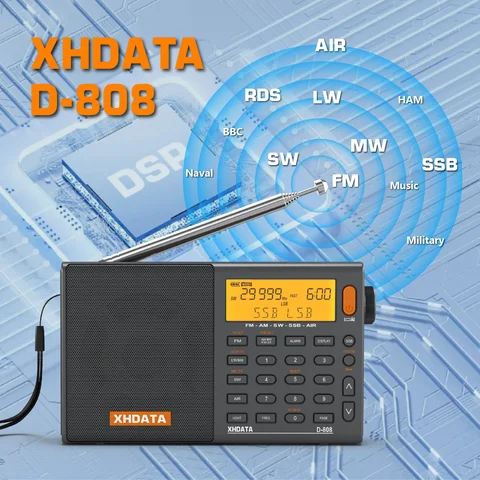
- Audio Quality: Look for DSP (Digital Signal Processing) support for clearer sound and reduced interference.
- Additional Features: Clock display, LED flashlight, TF card support, and AUX input add value for multi-use scenarios.
For users seeking a DIY option, the 6J1+6J1 tube super regenerative FM radio kit offers a vintage-style build experience—ideal for hobbyists who enjoy assembling electronics. However, note this model lacks Bluetooth, so it’s not a true bluetooth fm radio receiver unless paired with a separate Bluetooth adapter.
To set up your bluetooth fm radio receiver:
Avoid common pitfalls: choose models with stable Bluetooth 5.0+ for better range and less dropouts. Always check compatibility with your car or home audio system. For best results, select a receiver with a clear signal indicator and a stable frequency lock.
In short, a bluetooth fm radio receiver is a smart upgrade for any FM system—offering modern convenience without replacing your existing hardware.
The core purpose of a bluetooth fm radio receiver is to bridge analog FM radio signals with digital Bluetooth technology. This allows users to play music from smartphones, tablets, or other Bluetooth-enabled devices through an FM radio’s speaker system—perfect for older cars or radios without built-in Bluetooth. It’s also useful for broadcasting audio from a phone to a speaker system that only supports FM input.
- FM Radio Receiver
- A device that captures FM radio signals (typically in the 87.5–108 MHz range) and converts them into audio output. Often used in cars, homes, or portable radios.
- Bluetooth Receiver
- A wireless audio device that receives audio signals from Bluetooth-enabled sources (like phones or laptops) and transmits them to speakers or audio systems.
- FM to Bluetooth Converter
- A hybrid device that enables Bluetooth audio streaming to an FM radio, effectively turning any FM radio into a smart speaker.
When choosing a bluetooth fm radio receiver, consider key specs:
- Frequency Range: Ensure it supports 60–108 MHz for full FM coverage.
- Battery Life: Some models run on 2 x AAA batteries (like the RRETEKESS PR13), offering portability without needing a power outlet.
- Audio Quality: Look for DSP (Digital Signal Processing) support for clearer sound and reduced interference.
- Additional Features: Clock display, LED flashlight, TF card support, and AUX input add value for multi-use scenarios.
For users seeking a DIY option, the 6J1+6J1 tube super regenerative FM radio kit offers a vintage-style build experience—ideal for hobbyists who enjoy assembling electronics. However, note this model lacks Bluetooth, so it’s not a true bluetooth fm radio receiver unless paired with a separate Bluetooth adapter.
To set up your bluetooth fm radio receiver:
- Power on the receiver using batteries or a USB adapter.
- Set your FM radio to an unused frequency (e.g., 88.1 MHz).
- Pair your phone or device via Bluetooth to the receiver.
- Play audio—your device’s output will broadcast via FM to your radio’s speaker.
- Adjust the FM frequency on your radio to match the receiver’s output.
Avoid common pitfalls: choose models with stable Bluetooth 5.0+ for better range and less dropouts. Always check compatibility with your car or home audio system. For best results, select a receiver with a clear signal indicator and a stable frequency lock.
In short, a bluetooth fm radio receiver is a smart upgrade for any FM system—offering modern convenience without replacing your existing hardware.