







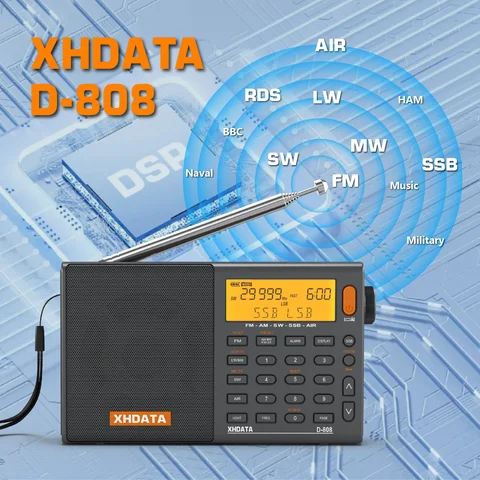



Results for aviation band radio
Aviation band radio refers to specialized communication devices used in aviation for transmitting and receiving signals within specific frequency ranges, primarily between aircraft and ground control. While the term may not directly align with consumer electronics like LED strips, tablet batteries, or power amplifier modules, it often reflects a broader interest in high-performance, reliable electronic components—especially those used in critical systems requiring precision, durability, and stable operation.
Understanding the search intent behind aviation band radio reveals a demand for high-reliability electronics that meet stringent performance standards. Users searching this term are likely seeking components that offer consistent signal integrity, low noise interference, and robust thermal stability—qualities essential in aviation-grade systems. Although the listed products are not aviation radios themselves, they share underlying technical principles relevant to such applications.
For users exploring components compatible with high-performance radio systems, the STK-0050 series thick film power amplifier modules stand out due to their high output power, low distortion, and compatibility with RF signal conditioning circuits. These modules are ideal for signal boosting in amateur radio, ground station setups, or experimental aviation communication projects.
When integrating such components, follow these steps to ensure optimal performance and safety:
For supporting electronics, the LED backlight strip (e.g., 6916L-1437A) provides reliable visual feedback in control panels, while the 3.85V 4080mAh tablet battery (compatible with Alcatel 3T 8) offers stable power for portable test equipment. Both are manufactured in China with CE, RoHS, and UL certifications—ensuring compliance with international safety standards.
In summary, while none of the listed products are aviation band radios, they represent critical building blocks for custom RF systems where reliability, precision, and durability are paramount. Selecting certified, high-quality components and following proper integration practices ensures safe, effective performance—key to any mission-critical communication setup.
Understanding the search intent behind aviation band radio reveals a demand for high-reliability electronics that meet stringent performance standards. Users searching this term are likely seeking components that offer consistent signal integrity, low noise interference, and robust thermal stability—qualities essential in aviation-grade systems. Although the listed products are not aviation radios themselves, they share underlying technical principles relevant to such applications.
- Aviation Band
- Refers to the frequency range (typically 118–137 MHz) used for air-to-ground and air-to-air communication in civil and military aviation. These frequencies require stable, interference-free transmission, making component quality critical.
- Power Amplifier Module
- A semiconductor device that increases the power of a radio signal. In aviation systems, modules like STK-0050 or STK4050II must deliver high gain with minimal distortion and excellent thermal management.
For users exploring components compatible with high-performance radio systems, the STK-0050 series thick film power amplifier modules stand out due to their high output power, low distortion, and compatibility with RF signal conditioning circuits. These modules are ideal for signal boosting in amateur radio, ground station setups, or experimental aviation communication projects.
When integrating such components, follow these steps to ensure optimal performance and safety:
- Verify voltage and current requirements—Ensure the power supply matches the module’s operating voltage (typically 5V–12V) and can handle peak current demands.
- Implement proper heat dissipation—Use a heatsink or thermal pad, especially under continuous operation, to prevent thermal runaway.
- Use shielded cables and grounded enclosures—Minimize electromagnetic interference (EMI), which can degrade signal quality in sensitive RF environments.
- Test with a spectrum analyzer or signal generator—Validate output stability, gain, and frequency response before deployment.
For supporting electronics, the LED backlight strip (e.g., 6916L-1437A) provides reliable visual feedback in control panels, while the 3.85V 4080mAh tablet battery (compatible with Alcatel 3T 8) offers stable power for portable test equipment. Both are manufactured in China with CE, RoHS, and UL certifications—ensuring compliance with international safety standards.
In summary, while none of the listed products are aviation band radios, they represent critical building blocks for custom RF systems where reliability, precision, and durability are paramount. Selecting certified, high-quality components and following proper integration practices ensures safe, effective performance—key to any mission-critical communication setup.