Winter’s Sneak Attack: What Snow Really Does to Your Car
For many drivers, the first real snowfall is less a picturesque moment and more a rude awakening. You step outside on a cold morning, running late, only to find your car buried under several inches of snow with a thick crust of ice fused to the windshield. It’s tempting to think this is just a minor seasonal annoyance, but winter weather can be surprisingly harsh on your vehicle. Snow, ice, road salt, and freezing temperatures combine into a slow-motion assault on your car’s paint, glass, seals, and mechanical components.
Snow itself may look soft, but as it melts and refreezes, it creates icy layers that cling stubbornly to your car’s exterior. Scraping aggressively at your windshield can leave micro-scratches in the glass, and using hard brushes or improvised tools to clear heavy snow can scuff up paint and trim. Road salt, often hidden in slush splashed up from the street, accelerates corrosion on exposed metal, especially around wheel wells and the undercarriage. Even if you park outside only occasionally, repeatedly subjecting your car to these conditions can shorten the life of both its appearance and some key parts. A car cover for snow aims to interrupt this cycle—not just to save you time in the morning, but to protect your car from winter’s slow, grinding damage.
What Makes a “Snow” Car Cover Different
A car cover for snow isn’t automatically winter-ready just because it exists. Covers meant for indoor dust protection or light sun shielding aren’t typically built to survive heavy snow loads, freezing rain, and high winds. A snow-specific cover is engineered to handle weight, moisture, and abrasion in a way lighter covers can’t.
Material and Construction
Snow car covers are usually made from thick, multi-layered fabrics that balance water resistance with breathability. Water resistance is essential to keep melting snow and freezing rain from soaking through and freezing directly on your car’s surface. At the same time, breathability reduces the risk of condensation forming underneath the cover, which can lead to mold, mildew, or water spots. Many higher-quality covers also have a soft inner lining—often fleece or a gentle synthetic—to protect your paint from micro-scratches caused by shifting fabric and trapped debris.
Fit, Security, and Ease of Use
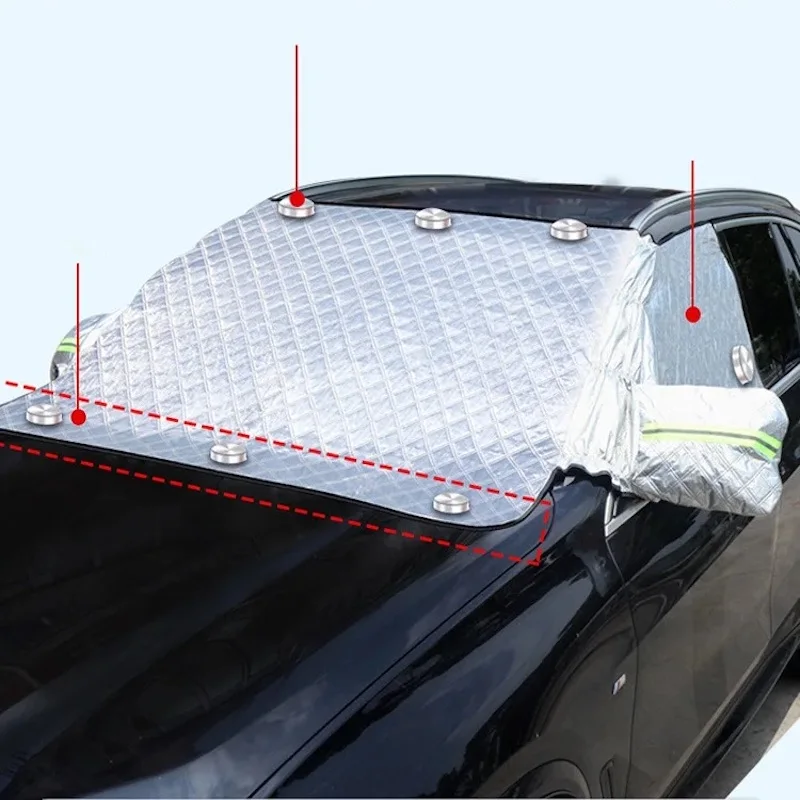
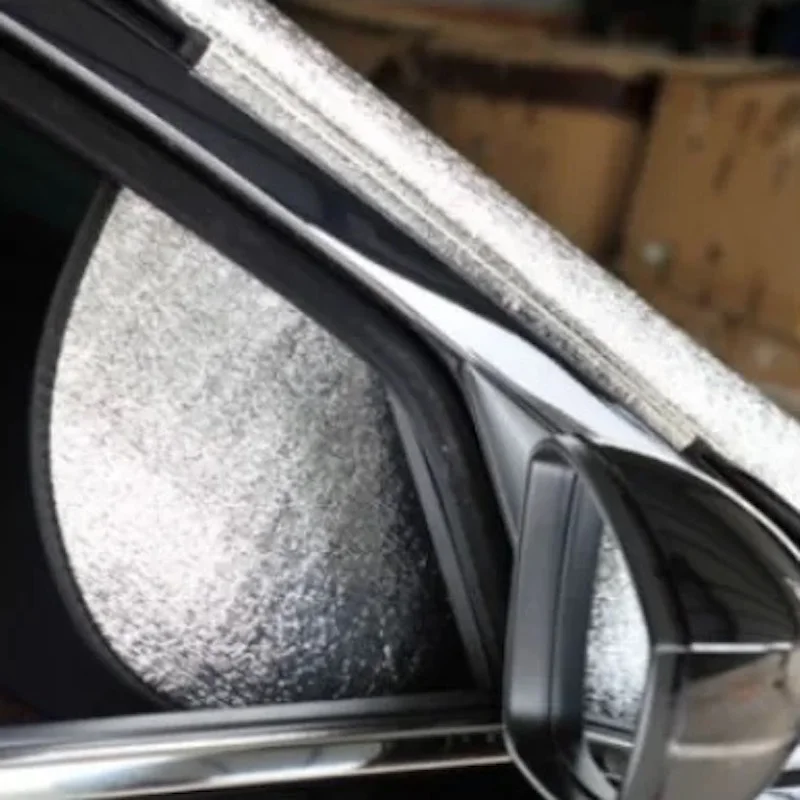
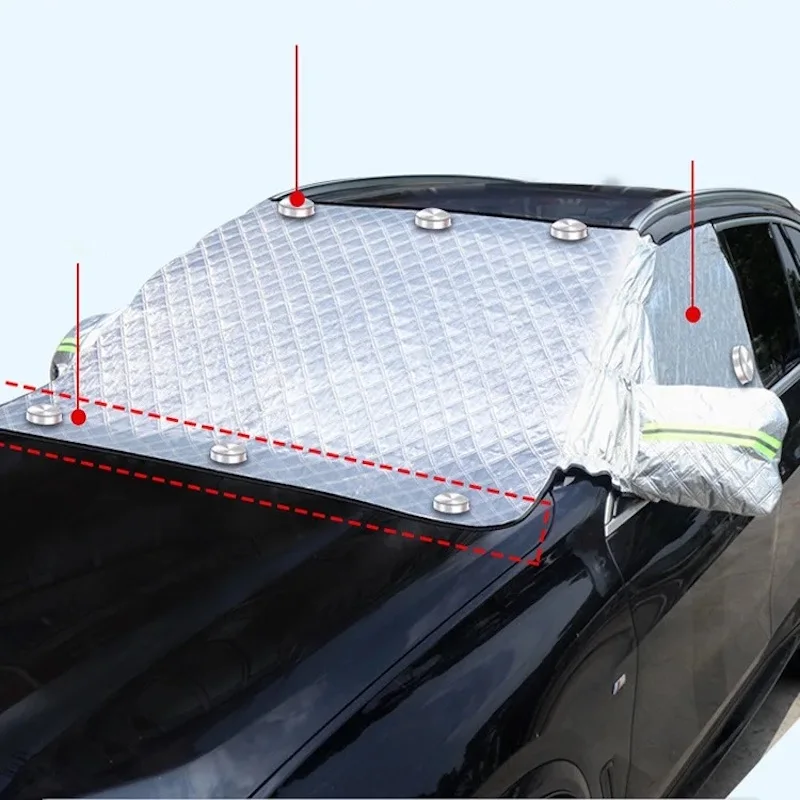
Fit matters more in winter than you might think. A loose, baggy cover can balloon in the wind, rubbing against your paint and potentially letting snow drift underneath. A good snow cover will be semi-custom or sized closely enough to your vehicle class (sedan, SUV, truck) to minimize flapping and gaps. Elastic hems, integrated straps, and underbody buckles help keep the cover in place, even during gusty storms. Some snow-specific designs focus just on the windshield and windows—common in very snowy areas where drivers mainly want to skip heavy scraping—while others fully wrap the car, offering broader protection against salt, frost, and debris. When you’re buying, it’s worth paying attention not only to material claims like “waterproof” but also to how securely and conveniently the cover can be put on and taken off in bitter cold.
The Real-Life Benefits: Is a Snow Cover More Than a Convenience
At first glance, a car cover for snow might look like a purely convenience-oriented product: put it on, and you won’t have to scrape so much in the morning. Convenience is a big part of the appeal, of course, but a well-chosen cover does more than just reduce your workload. It can actively preserve your car’s condition over several winters, which has knock-on benefits for comfort, safety, and even resale value.
Time Saved and Stress Reduced
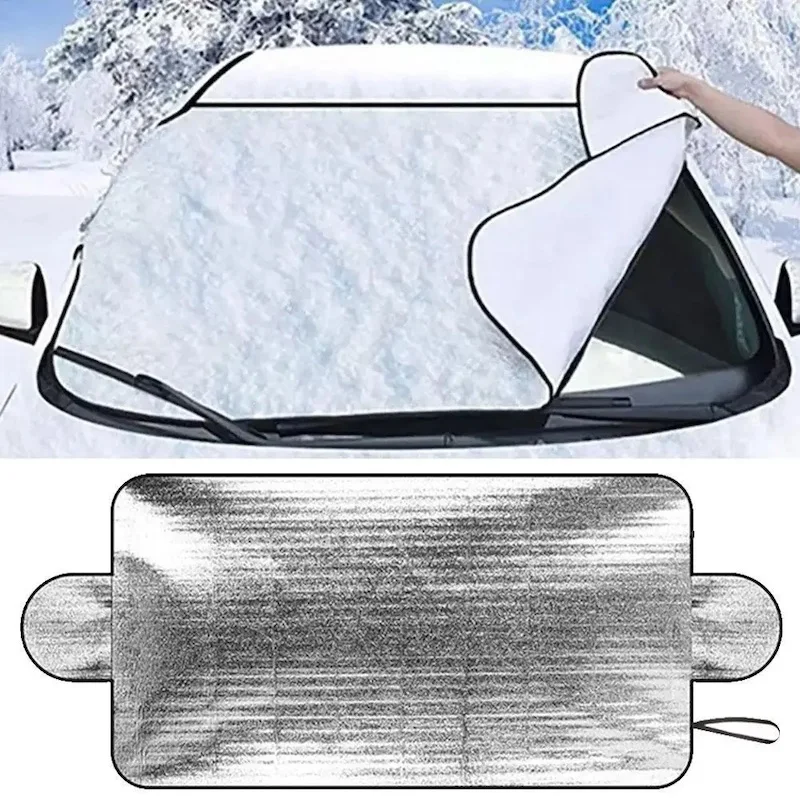
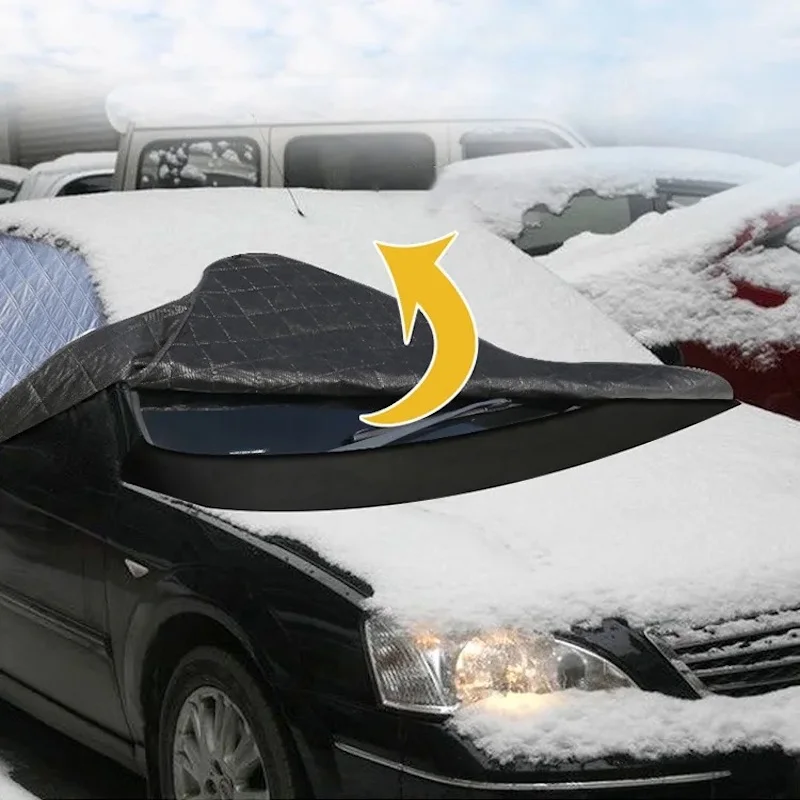
Using a snow cover turns the morning ritual on its head. Instead of brushing and scraping, you simply unclip or unstrap the cover and pull it off, taking most of the snow and ice with it. On heavy snowfall days, this can save significant time—especially if you park on the street and can’t rely on a garage. Windshield-only covers are particularly popular among commuters who just want clear glass quickly; full covers shine when multiple storms roll through each week and you don’t want snow slowly compacting on the roof, hood, and trunk.
Protection for Paint, Glass, and Seals
Beyond convenience, a snow cover provides a protective barrier between your car and the winter environment. It reduces direct contact with snow, ice, and salt, which can slow down the development of rust, faded paint, and dull trim. Protecting rubber seals around doors and windows also matters; these can crack or deform over time if constantly frozen and thawed under layers of ice. By minimizing scraping and brushing, you also limit mechanical wear on your windshield and body. Over years, these incremental benefits can mean less cosmetic repair, fewer minor leaks from worn seals, and a car that looks newer longer—something that can pay off if you plan to sell or trade it in.
Choosing the Right Cover: Features, Fit, and Climate
Not all winter conditions are created equal, and neither are car covers. What works for a mild, occasionally snowy climate may be frustratingly inadequate in regions that see heavy snowfall, frequent ice storms, or strong winter winds. Choosing the right cover is about matching features to your local weather, your parking conditions, and how you use your car day to day.
Key Features to Look For
- Weather Resistance, Not Just “Waterproof” Claims
Look for multi-layer fabrics that handle wet snow and freezing rain without becoming saturated. True waterproof covers can sometimes trap moisture underneath, so a water-resistant yet breathable fabric is often ideal, especially if temperatures fluctuate around the freezing point. - Interior Lining and Paint Safety
A soft inner layer helps protect delicate paint from fine scratches caused by dust or ice trapped between the car and the cover. This is especially important if your car has a dark or high-gloss finish that shows marks easily. - Secure Fastening System
Elastic hems combined with straps that run under the car help prevent the cover from blowing off during storms. Extra features like wheel straps, mirror pockets, and reinforced grommets can further stabilize the cover without scratching your vehicle. - Ease of Installation and Storage
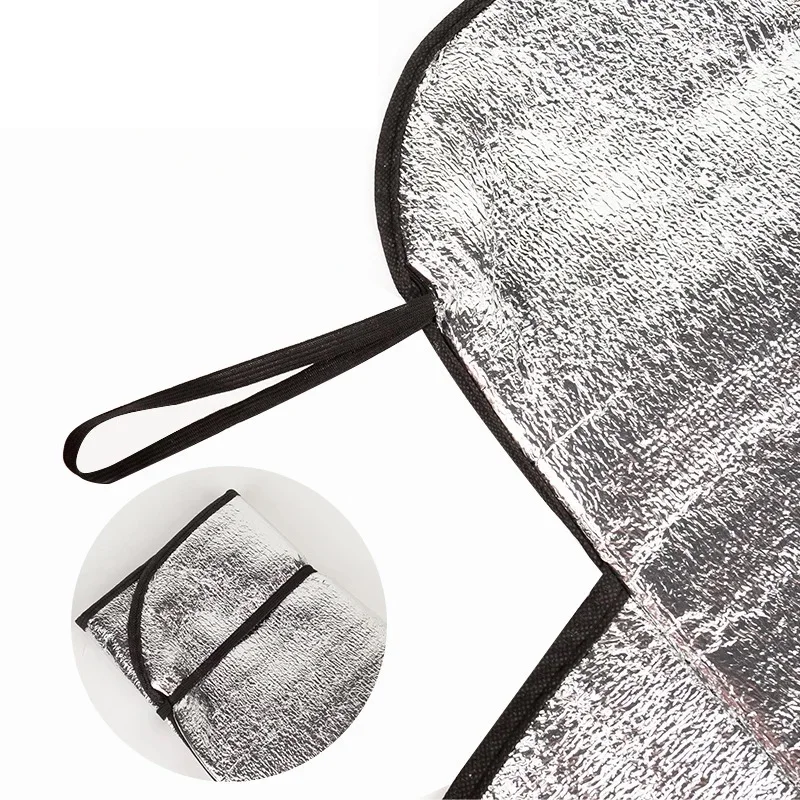
In winter, wrestling with a heavy, awkward cover while your fingers freeze is no one’s idea of fun. Lighter but sturdy fabrics, clear front/rear markings, and included storage bags make everyday use much more realistic. If a cover is too cumbersome, you’ll use it less often, negating its benefits.
Matching Cover Type to Your Lifestyle
If you have off-street parking and live in an area with moderate snow, a full-body cover might offer the best balance of protection and convenience, especially if your car sits for days at a time. For apartment dwellers or daily commuters in dense cities, a windshield-only cover may make more sense—easy to install in tight spaces and still highly effective at reducing ice scraping. Drivers in heavy-snow regions should prioritize robust construction and strong securing systems, while those in coastal or milder climates might focus more on moisture management and corrosion prevention from salty air or slush. In every case, buying from a reputable brand and reading user reviews specific to winter use can help you avoid covers that tear easily, leak, or blow away at the first sign of bad weather.
Using a Snow Car Cover Safely and Effectively
Even the best car cover for snow can cause problems if used incorrectly. Winter adds complications in the form of ice adhesion, high winds, and sharp debris hidden in snow, so it’s important to develop a simple, consistent routine that maximizes protection while minimizing risk.
Start by making sure your car is reasonably clean before you begin using a cover for the season. You don’t need a showroom detail, but removing heavy dirt, gravel, and road grit reduces the chance of abrasive particles getting trapped between the cover and paint. When you put the cover on, secure it according to the manufacturer’s instructions—this usually means anchoring it on one side, then pulling it across the car and fastening straps or buckles so that it sits snugly without excessive tension.
When removing the cover after a storm, resist the urge to yank it off quickly if ice has formed. If the cover is frozen to the car in places, gently loosen the edges rather than pulling hard; in severe cases, letting the car run for a few minutes to warm the body slightly can make removal easier. Shake off as much snow as possible before folding the cover to avoid hauling extra weight and moisture. If it’s damp, let it dry fully before long-term storage to prevent mold and odors.
In the end, a car cover for snow is “worth it” if you value both daily convenience and long-term protection. For drivers without a garage—or for anyone looking to reduce scraping, shield their paint, and slow winter’s wear—a well-chosen cover can transform snowy mornings from a dreaded chore into a quick, manageable step in your routine.